Israel, Lebanon reach 10-day ceasefire after devastating clashes
लगानी न्यूज
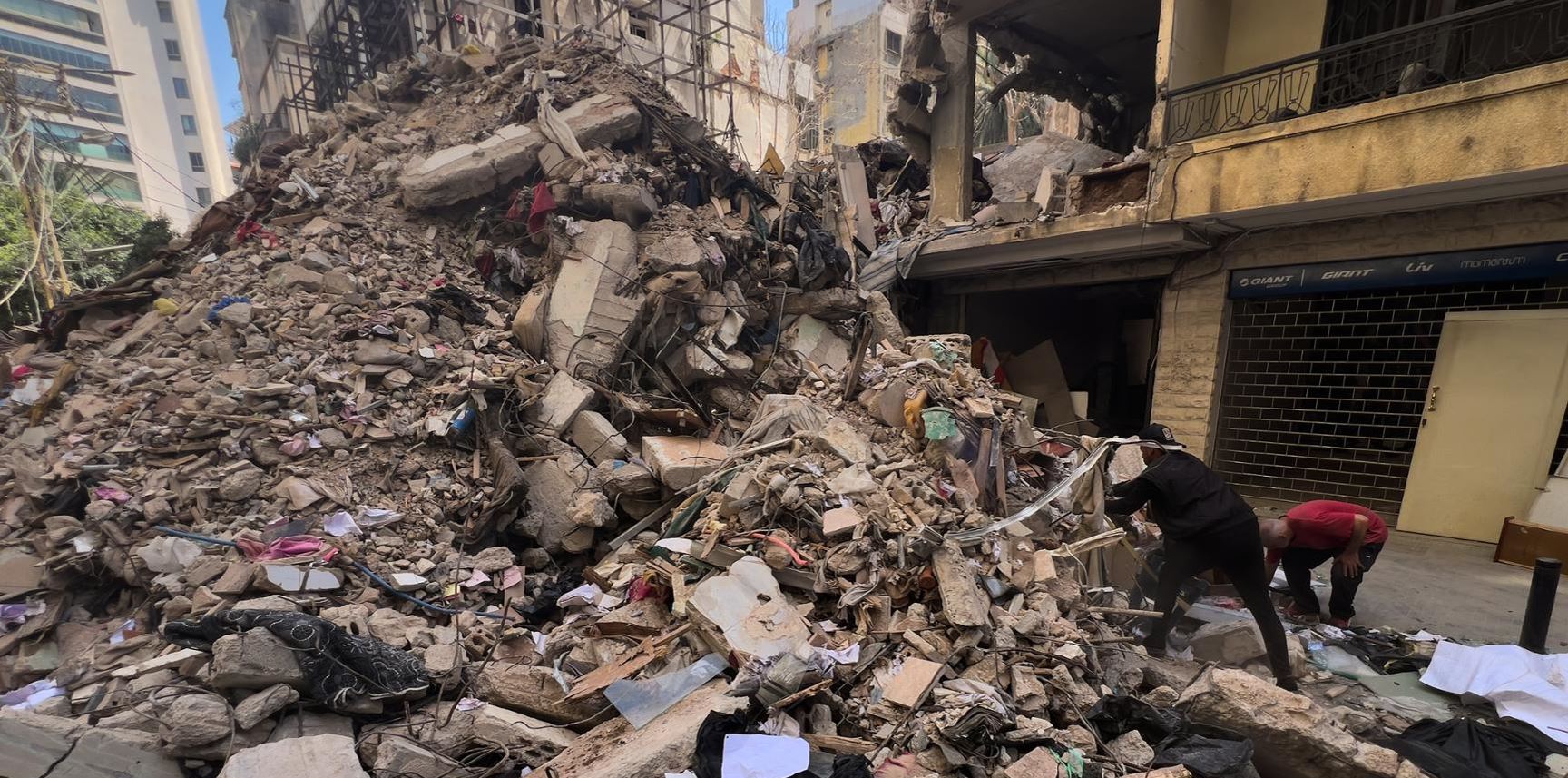
. Israel and Lebanon have signed a 10-day ceasefire after weeks of devastating clashes, but the situation on the ground remains uncertain.
The agreement, which came into effect at midnight, is billed as an attempt to ease regional tensions, but ongoing clashes on the ground, unclear terms and mutual mistrust have called into question its long-term impact.TAG_OPEN_div_62
US President Donald Trump has announced a ceasefire.TAG_OPEN_div_60 However, the fact that Israel is at war with the Iranian-backed Hezbollah militant group operating in the country rather than directly with the Lebanese government has cast doubt on the effectiveness of the deal, since the group is not formally included in the deal.
Residents in various parts of Beirut fired shots into the air as the ceasefire began.TAG_OPEN_div_58 But in the meantime, there have been incidents of shooting and attacks in some areas, according to local media. Israeli shelling continued to take place in the villages of Khiam and Dibain in southern Lebanon, half an hour after the ceasefire came into effect.
Hundreds of thousands of people displaced by the war are trying to return home, but authorities have urged them to wait until conditions are fully secured.TAG_OPEN_div_56 About 1 million people are still displaced and it is unclear when their safe return will be possible.
Israeli Prime Minister Benjamin Netanyahu said a ceasefire had been accepted to push through peace efforts, but said Israeli troops would not withdraw from southern Lebanon.TAG_OPEN_div_54 He said Israel had expanded the “security zone” up to 10 km and there were no plans to withdraw from there.
Hezbollah, meanwhile, described the Israeli presence on its territory as an occupation and said it reserves the right to resist.TAG_OPEN_div_52 The group has indicated that future course of action will be determined by the circumstances, which further complicates the ceasefire.
The US State Department said that under the agreement, Israel reserves the right to defend itself against any possible or ongoing attack.TAG_OPEN_div_50 But in other cases, it said it would not take aggressive military action against Lebanese targets. However, it is believed that this arrangement indicates that it will give Israel the freedom to take action if it deems it necessary.
Before the ceasefire began, Hezbollah continued to fire rockets at cities in northern Israel, and air raid sirens sounded in some border areas before midnight.TAG_OPEN_div_48
This agreement is said to have been made possible after a diplomatic initiative in Washington. According to the US administration, the discussions between the representatives of Israel and Lebanon, the high-level phone conversations that followed, and the active role of the State Department created an environment for understanding. It is also said that the two countries have held direct diplomatic dialogue after decades.
Lebanon says a ceasefire is a prerequisite for long-term negotiations.TAG_OPEN_div_44 It also pledged to disarm Hezbollah, although the process is likely to be complicated and contentious.
The two countries have been at war since the founding of Israel in 1948.TAG_OPEN_div_42 A peace deal signed in 1983 collapsed due to Lebanon’s civil war.
Meanwhile, diplomatic activities at the regional and international level have intensified.TAG_OPEN_div_40 Pakistan’s army chief has met with Iran’s top brass and called for an extension of the ceasefire. There is also the possibility of further talks between the US and Iran, for which Islamabad is seen as a possible destination.
But the tension still remains. Iran has threatened to lift US sanctions on its ports and has threatened to block its waterways. This has affected global oil supply and the economy. The war has led to sharp fluctuations in oil prices and increased volatility in global markets.
TAG_OPEN_div_36Thousands of people have died in this conflict so far. At least three thousand people have been killed in Iran, more than two thousand in Lebanon and more than two dozen in Israel. Other Gulf countries and US troops have also been affected.
The mediators are now seeking agreement on three key issues — Iran’s nuclear program, oil supplies through the Strait of Hormuz, and reparations for war damage.TAG_OPEN_div_34 Analysts say that long-term peace is possible only if progress is made on these issues.
At present, the ceasefire seems to provide temporary relief, but its future is uncertain.TAG_OPEN_div_32 There is a risk that even small incidents could lead to another major conflict.

















प्रतिक्रिया दिनुहोस्