


Kathmandu. KATHMANDU: The Nepal Rastra Bank (NRB) has said that Nepal’s economy was facing both internal and external challenges in course of the implementation of the monetary policy for the fiscal year 2082/83. Unveiling the annual monetary policy review on Tuesday, Nepal Rastra Bank said that delayed monsoon and international conflict have affected Nepal’s economy.
According to the NRB, international trade and supply chains were affected due to global geopolitical tensions. Uncertainty over tariffs, damage to petroleum infrastructure caused by the Israeli-U.S.-Iran war, disruptions in the Strait of Hormuz, and rising fuel prices have added to inflation.
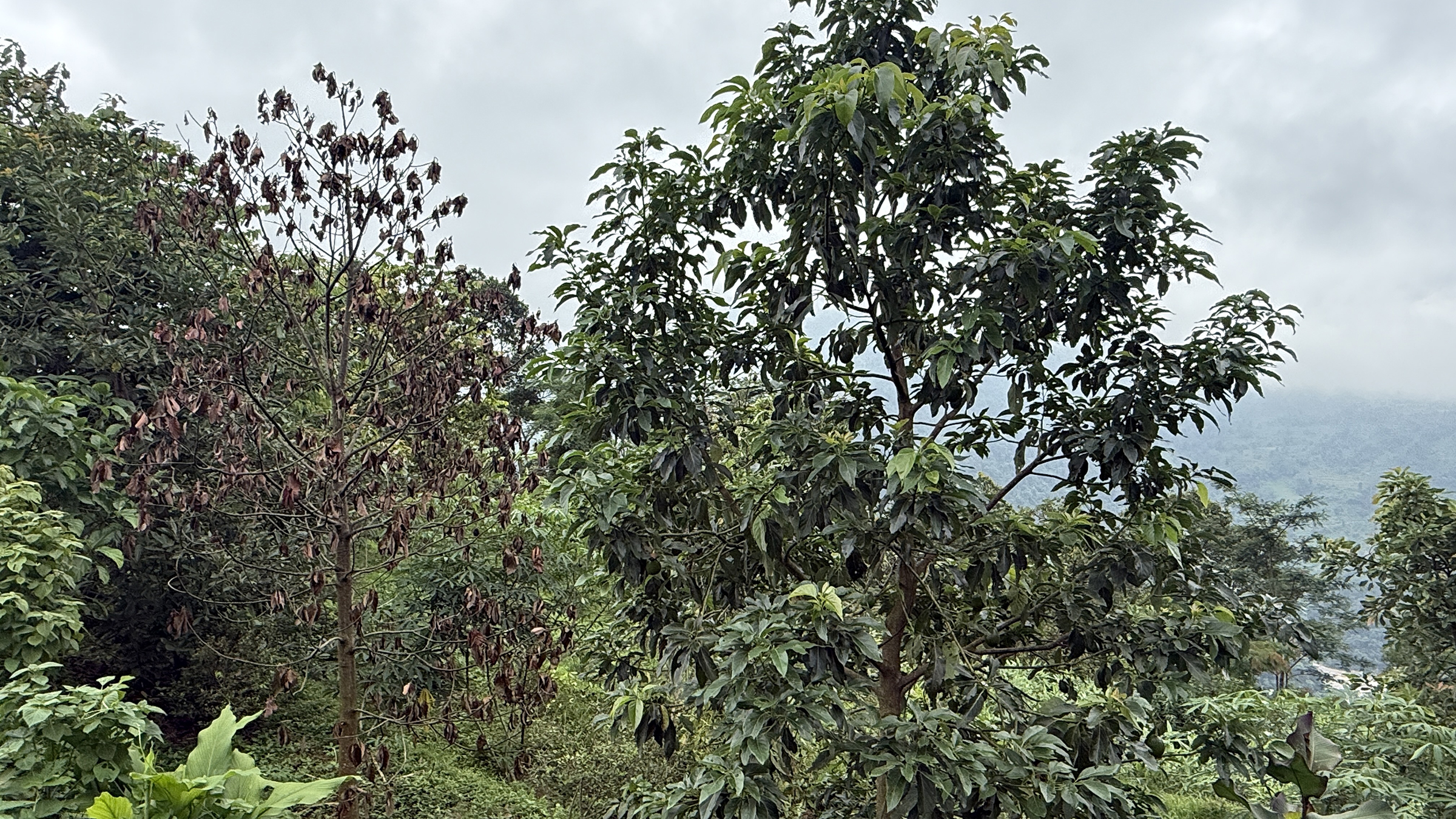
Domestically, the delay in monsoon and excessive rainfall in the month of September have contributed to the decline in agricultural production. Similarly, the review report states that the uncomfortable situation following the Genji agitation of September 23 and 24, 2002 has weakened the morale of the private sector and the lack of expansion of business has put pressure on the aggregate demand.
Similarly, the NRB has concluded that the expected amount of loan has not been disbursed through the financial system due to the decline in foreign trade, sluggishness in the public and private construction sector, division of real estate and confusion regarding the power purchase agreement.
According to the Nepal Rastra Bank, the non-performing loan (NPL) ratio is increasing due to the lack of economic activities and the decline in the quality of loans issued in the past. It has also reduced the ability of banks to make new investments.










प्रतिक्रिया दिनुहोस्