

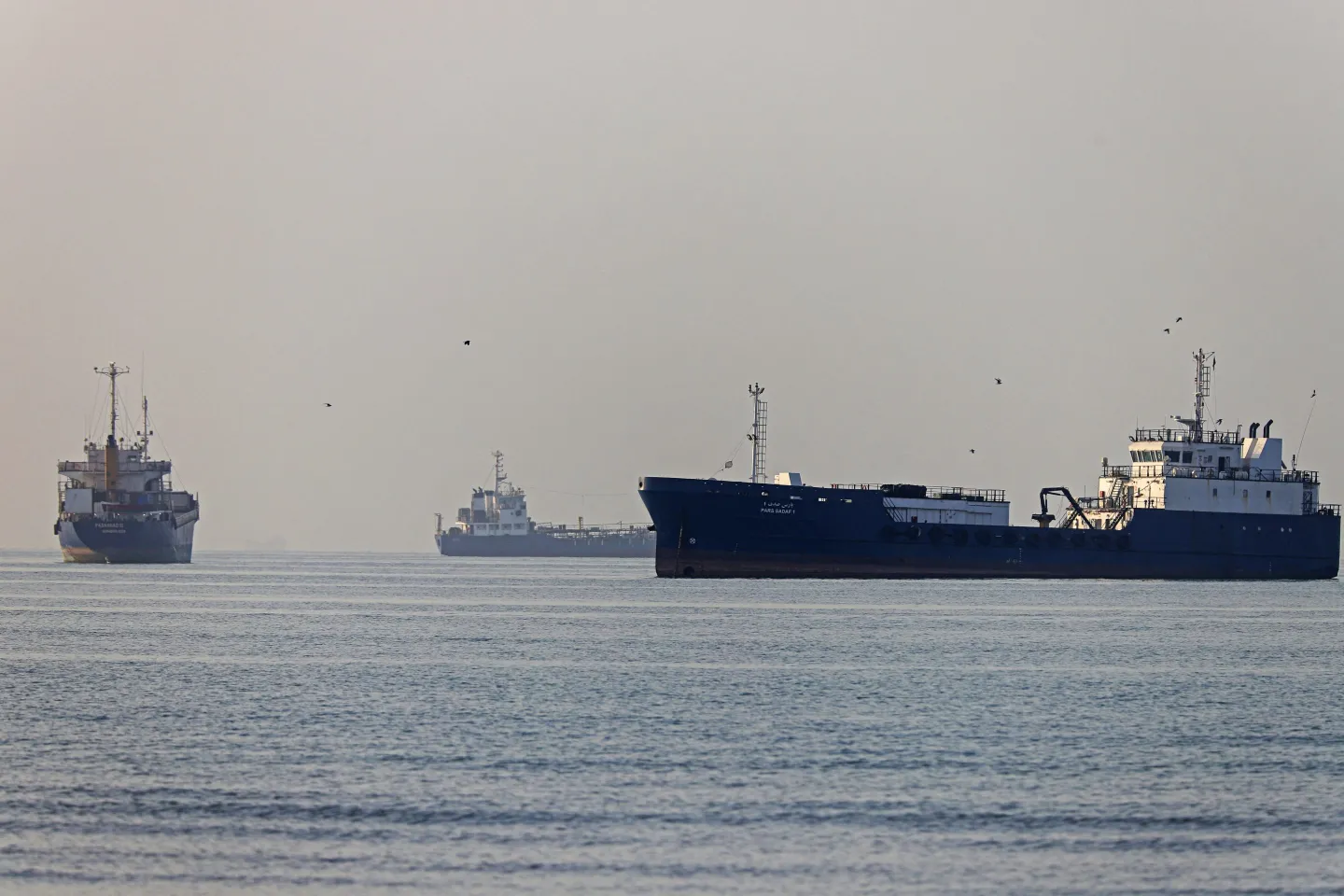
Kathmandu. Diplomatic activity intensified on Sunday as there appeared to be signs that a possible US-Iran deal could be signed to ease tensions in the Middle East. US President Donald Trump has said the strategic Strait of Hormuz will be “open to all” once the deal is completed. However, Iran has expressed a more cautious view of the deadline for the signing.
After weeks of fighting and stalled talks, both sides and negotiators have signaled that a solution is more likely. Pakistan, one of the main negotiators, said the deal was closer than ever.
Prime Minister Shehbaz Sharif said on Saturday that the agreement could be finalized within the next 24 hours. According to him, the agreement will be signed electronically and the technical level talks are expected to continue next week. Pakistan’s Foreign Ministry also confirmed plans to sign on Sunday.
“The agreement is set to be signed tomorrow, and once signed, the Strait of Hormuz will be open to all,” Trump said on his Truth Social platform. Iranian Foreign Ministry spokesman Ismail Baqai said the date of the signing was not yet final, adding that “it may not happen the next day, but the possibility cannot be ruled out in the future.”
A ceasefire signed on April 8 helped prevent fierce fighting, but efforts have been made to find a lasting political solution ever since. President Trump has repeatedly claimed to be close to an agreement, but talks have been stalled at various stages. The Strait of Hormuz is still at the center of controversy amid the possibility of a deal.
Iran has tightened its control over the world’s most important oil and gas shipping route since the start of the war. Tehran has imposed a requirement for ships to obtain permission from its security forces and has set up a new authority to oversee and manage tariffs.
In response, the US has imposed its own sanctions on Iranian ports. The U.S. military’s Central Command said on Saturday that Iran had shot down all of the drones in an attempt to launch a “unilateral drone strike” targeting commercial ships. Iran’s Foreign Minister Abbas Araghchi said in an interview with state television on Friday that the proposed deal includes the lifting of US sanctions. He described the Strait of Hormuz as one of Iran’s “main instruments of deterrence” and warned that its management would not be the same.
However, the US has made it clear that it cannot give Iran full control over the Straits. Trump’s latest remarks made no mention of tariffs or new administration arrangements. Another sensitive issue of the deal is Iran’s nuclear program. In particular, there is still disagreement about the future of Iran’s high-enriched uranium stockpile. Iran claims its nuclear program is for peaceful purposes, but Western countries such as the United States, Israel and other Western countries accuse Tehran of trying to develop nuclear weapons.
Foreign Minister Araghchi said the best way to manage Iran’s enriched uranium would be to convert it to low concentrations domestically. On the other hand, President Trump has already said that uranium will be removed and destroyed.
“When all is calm, we will collect and destroy nuclear dust, whether it’s in Iran or the United States,” Trump said in a message on Saturday. He expressed hope that the process would be completed quickly and smoothly and warned that a “last resort” could be used if necessary.
Israeli Prime Minister Benjamin Netanyahu has said that Trump has pledged to remove enriched nuclear material in any deal. However, people in Tehran remain skeptical of the deal. Saeed Sadegi, 49, said he did not believe a deal would be reached anytime soon.
A video released by the Fars news agency showed dozens of demonstrators outside Tehran’s foreign ministry opposing the deal. The demonstrators carried flags and chanted slogans against the government’s negotiating policy.
While there are hopes of lasting peace in the Middle East after the ceasefire, complex issues such as control of Hormuz and Iran’s nuclear program have not yet fully smoothed the path to a final agreement.














प्रतिक्रिया दिनुहोस्