

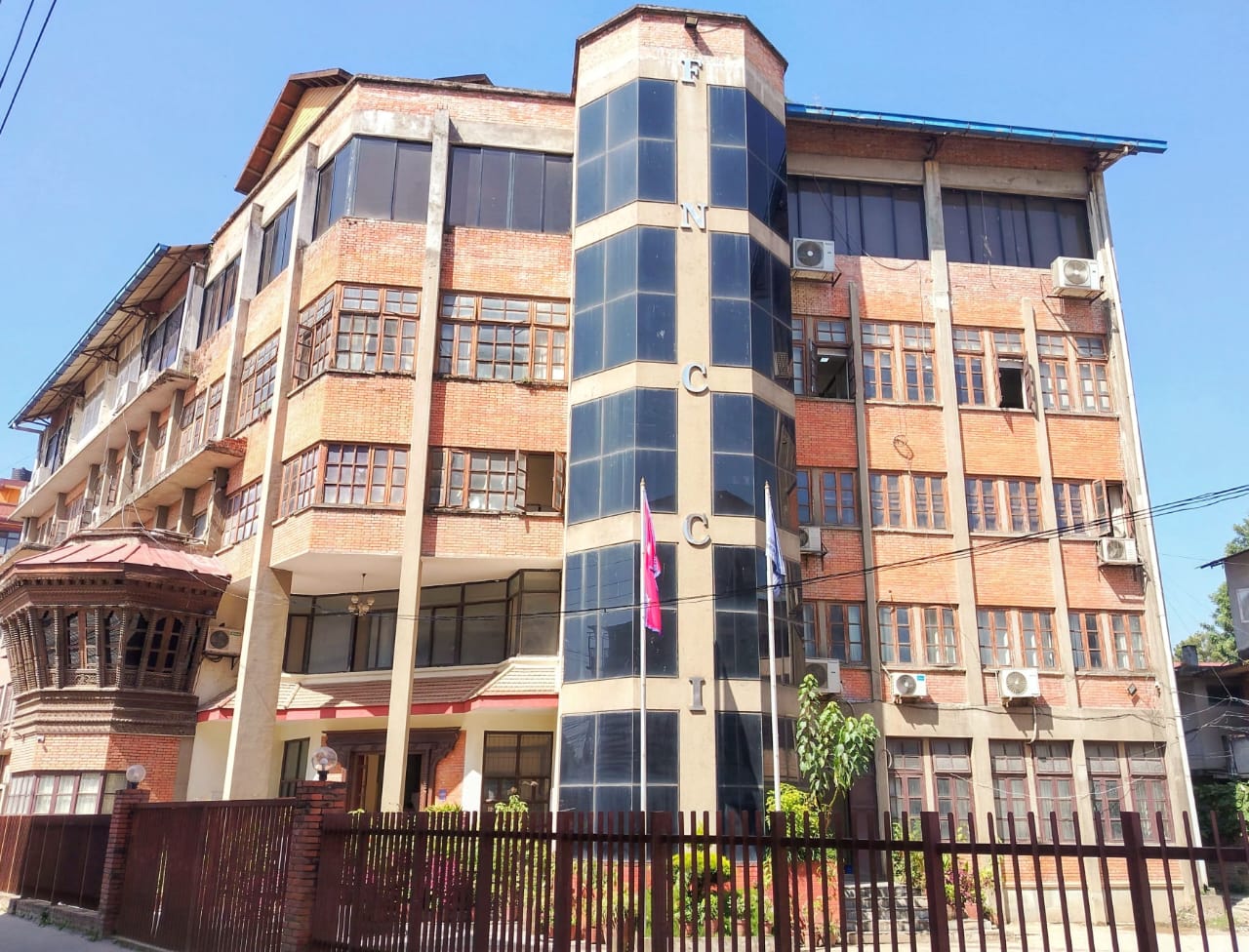
Kathmandu. The Federation of Nepalese Chambers of Commerce and Industry (FNCCI) has urged the government to take diplomatic initiative to remove obstacles seen in the export of tea.
KATHMANDU, May 1: The Tea Board of India (TIB) has drawn the attention of the government to address the serious hurdle in the export of Nepali tea due to the new Standard Operating Procedure (SOP) that came into effect from May 1 and the impractical standards of mandatory testing in each consignment.
Nepal’s tea sector has been established as a very important and strategic sector in terms of agriculture, industry, export and employment. The federation has urged the government and the Ministry of Industry, Commerce and Supplies to take concrete diplomatic and policy steps for the protection of the tea sector in view of the latest situation and demands received from the Nepal Tea Producers Association.
Nepal’s tea sector is a strong pillar of national economy and rural employment. The tea sector has been exporting tea worth more than Rs 5 billion annually to India with a turnover of around Rs 12 to 14 billion annually.
The sector, which provides direct employment to more than 60,000 employees and workers and pays about Rs 1 billion in annual revenue to the state, is now on the verge of closure due to impractical policy changes by neighboring countries.
Under the new standards implemented by the neighbouring country, exports have come to a standstill due to impractical regulations such as cumbersome quality checks, a long period of 20 to 25 days, mandatory warehouse duty and the destruction of tea if the report is weak.
Unable to export tea, the cash flow of tea industries has been disrupted, making them unable to pay green leaves to farmers, pay wages to labourers, and pay taxes and electricity to the state.
It also stressed the need to establish an accredited laboratory in Nepal to remove barriers related to the quality of Nepali products. In this regard, the Federation has long demanded the Government of Nepal to establish an accredited laboratory.
It also urges the government to take the necessary initiative to establish an accredited laboratory for a long-term solution to the problems seen in the quality of export of Nepali goods.
In this context, the Federation has urged the government to give top priority to this sensitive issue related to the future of thousands of farmers, workers and entrepreneurs dependent on the tea sector and to find a way out through diplomatic means.














प्रतिक्रिया दिनुहोस्